Vernal Pool Critters – Spring 2023

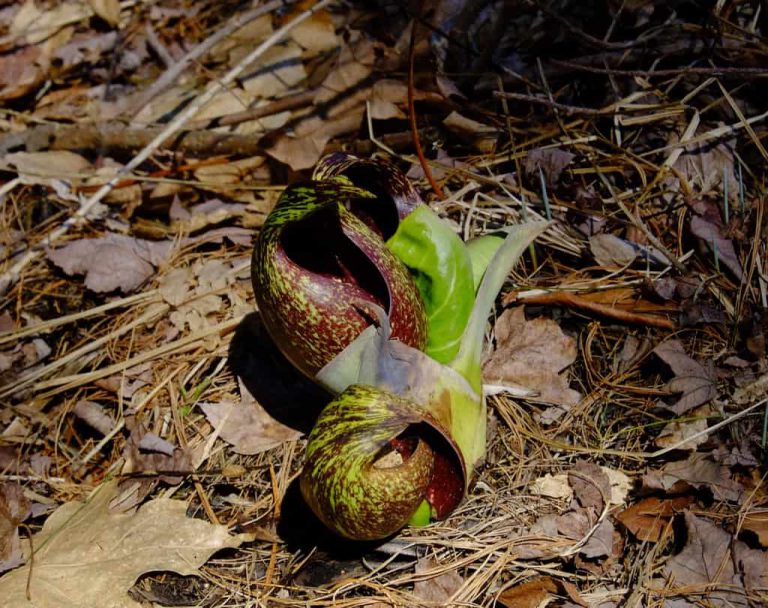
Yellow spotted salamander
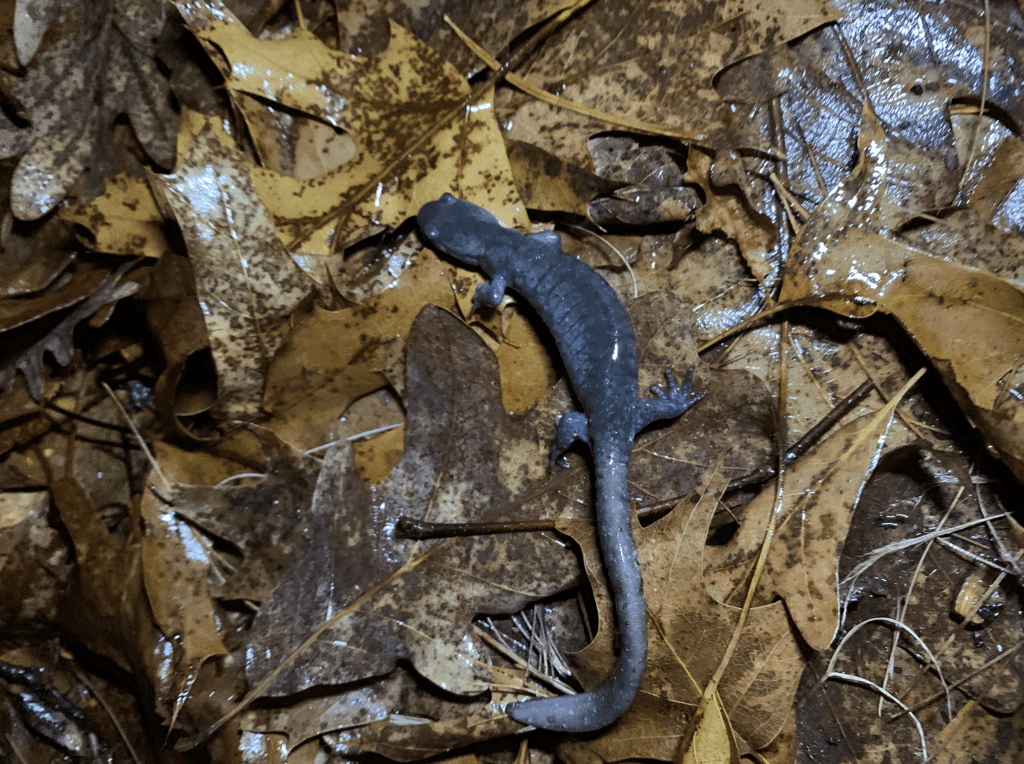
Jefferson salamander – or a more definitive description is Jefferson/Blue-spotted salamander complex
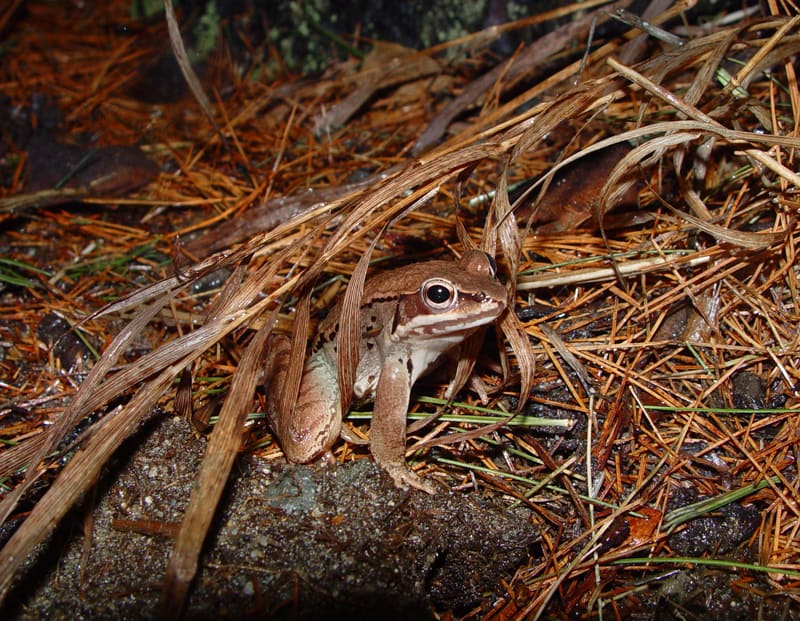
Wood frog by Suzanne Niles
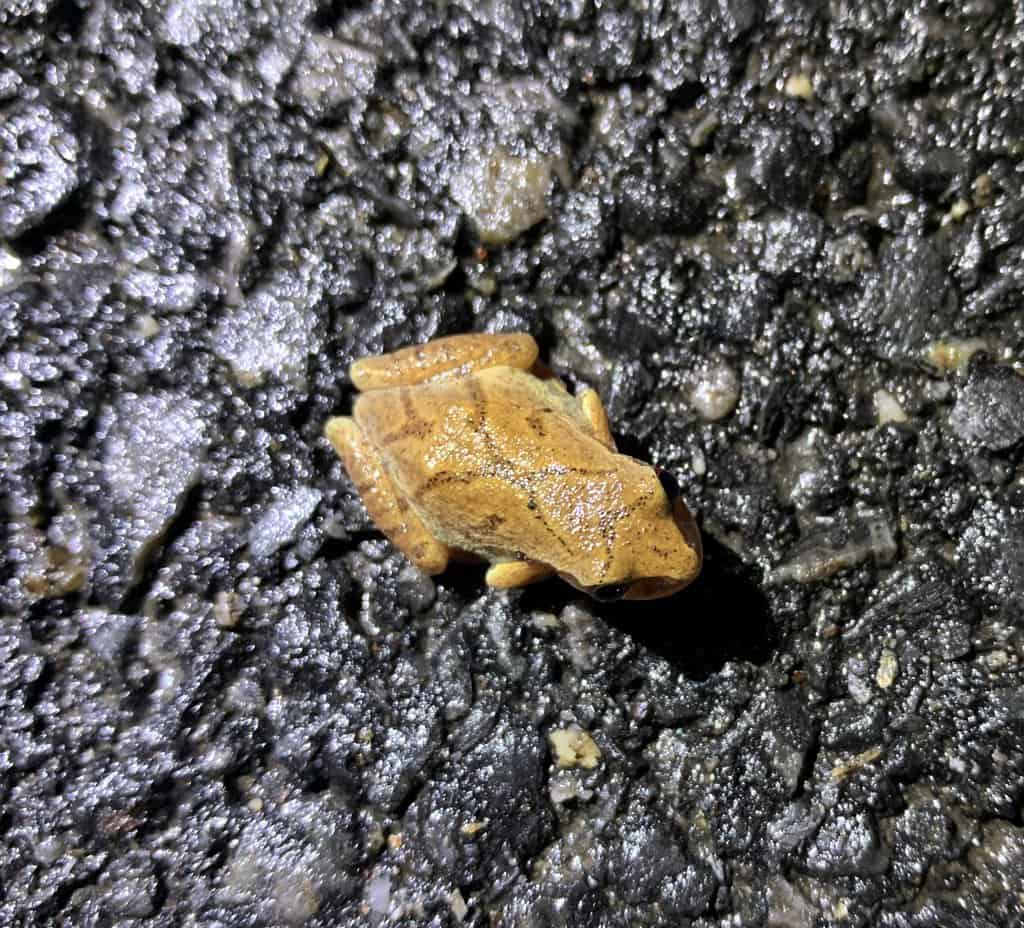
Spring peeper
Wood frog

Late winter/early spring is the time to look out for activity near your local vernal pool on the first rainy, warm nights of spring.  Here are some photos from areas near a few Westford & Littleton vernal pools late March 2023

Any day now, when we get a big soaking rain with a nighttime temperature over 40 degrees, the amphibian migration to vernal pools will happen. Be on the lookout for wood frogs and spotted salamanders crossing the road and listen for the calls of the wood frogs (sounds like quacking). These solitary species spend most of the year in the woods surrounding the pools, and only come to the vernal pools in the spring to breed before heading back into the uplands. For some of the most secretive salamanders, seeing the animals moving to the pools or in the brief time they are at the pools may be our best chance of seeing one. And they are impressive little creatures! (from Trustees of Reservations/vernal pools)

vernal pools fill with melting snow, spring rain, runoff, and rising groundwater. These pools provide critical breeding habitat for several amphibian and invertebrate species with life cycles that have adapted to these rich, temporary phenomena.

Vernal pools are found in woodlands, meadows, floodplains, and even sandplains all across Massachusetts. They occur in a wide variety of settings including swales, kettle holes, old stream channels, and depressions in larger wetlands. see more at https://www.massaudubon.org/learn/nature-wildlife/reptiles-amphibians/vernal-pools/about
Similar Posts

  • |

    Coyote

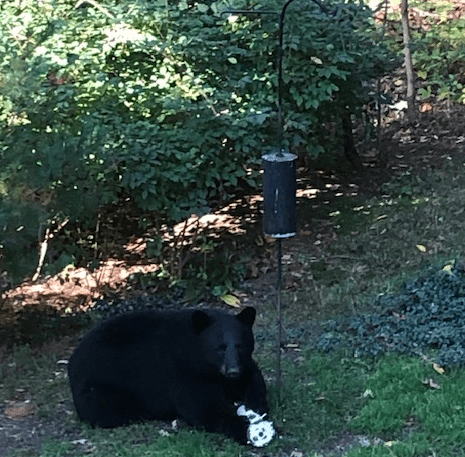
    This picture was taken in the morning on October 31st by Jeff Morse at a small nearby pond at the corner of Vose road and Old Lowell Rd in Westford To learn more about Coyotes in MA, check out Mass Audubon at https://www.massaudubon.org/learn/nature-wildlife/mammals/coyotes

  • Pale Green Critters

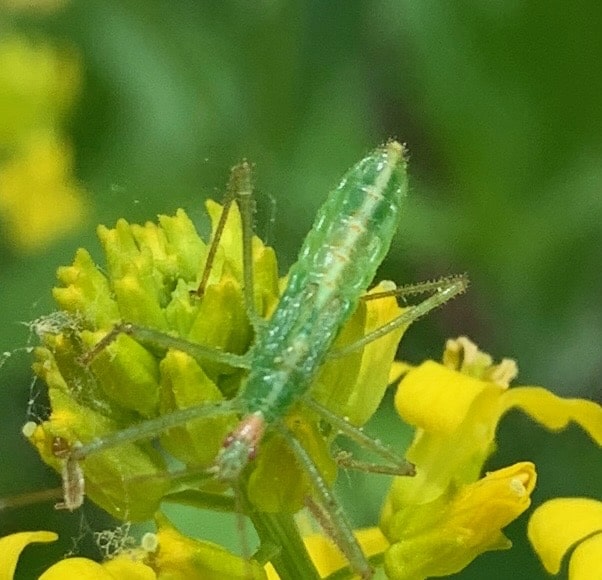
    Pale Green Assassin Bug Photo taken May 15, 2021 on local flora. Description: Pale green or yellowish insect with a thin body. Adults have dark wings, males have a dark head as well. Nymphs lack wings and thorax spines. Adults can fly but rarely do so. Reproduction: In July adults lay eggs. The eggs are laid in…

  • Marsh Marigold

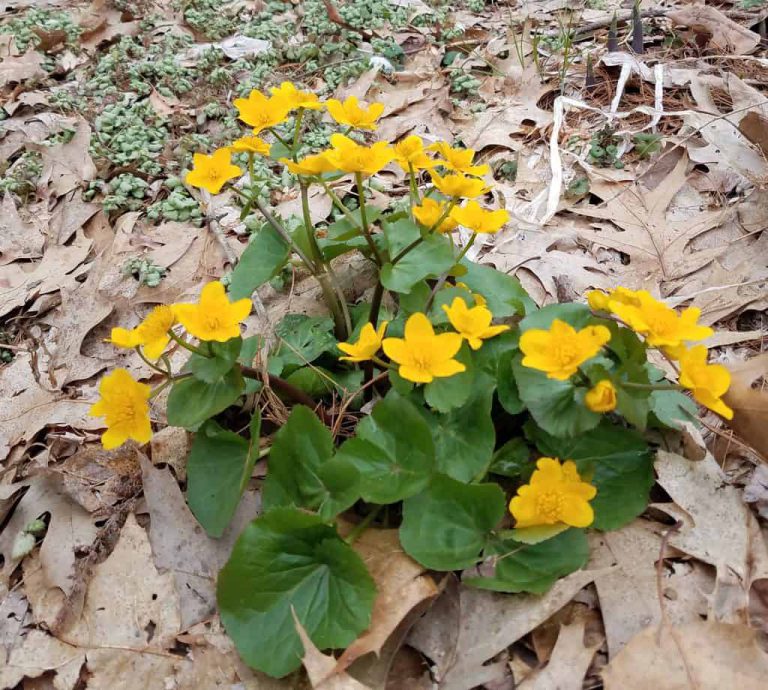
    Marsh Marigold noted at Emmet Conservation Land May 11, 2024 during the trust annual Bird Walk. Marsh Marigold (Caltha palustris) is notable for its bright yellow spring bloom and its high tolerance for shade. The glossy, deep green leaves look good all season long, and the early bloom can give wet spots and pondsides a…

  • Burgess Pond

    Burgess Pond at Stony Conservation Land Photo taken February 3, 2026 by Gerry Dibello after recent snowstorms. Pristine Burges Pond, a clear water pond of approximately 25 acres and is surrounded by a network of trails including a 1.75-mile pond loop trail. Burgess Pond is described as a kettle-hole bog which are acidic dwarf shrub…

  • Virginia Virgin’s-bower

    Virgin’s-bower (Clematis virginiana) growing at Grey Fox Conservation land, photo taken on 9/24/22, near the banks of Stony Brook in Westford. According to Native Plant Trust’s Go Botany, this beautiful native is the most common clematis in New England. The Cherokee made an infusion of virgin’s-bower with milkweed (Asclepias) to treat backache, as well as…