|

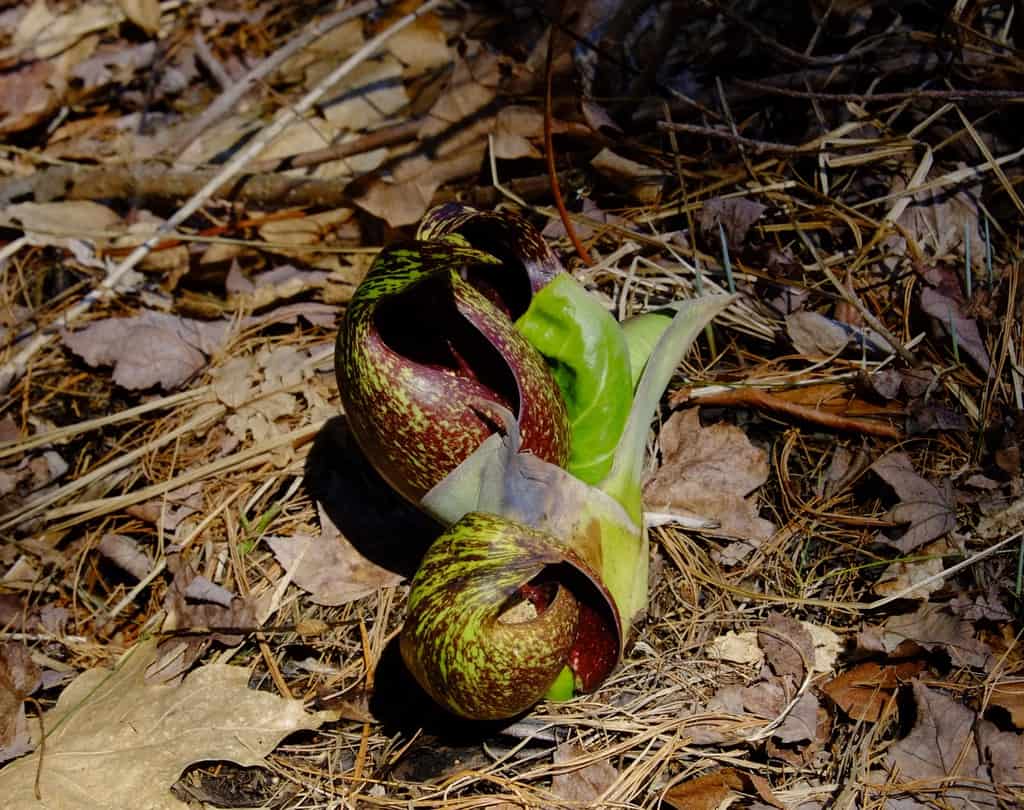
Skunk Cabbage – Tom Paul Trail (lower section)

One of the newly emerged skunk cabbage (Symplocarpus foetidus) seen next to the extensive bog bridges on the lower section of the Tom Paul Trail – photo by Bill Duane, March 27, 2020

From New England Wildlife Center, Weymouth, MA – Native to eastern North America, skunk cabbage prefers to grow in wetlands. This plant releases a foul smelling aroma which attracts its pollinators and discourages other animals from approaching. While not harmful to the touch, the leaves of skunk cabbage will burn the mouth, and for this reason they may be dried and incorporated into soups and stews. Strangely enough, skunk cabbage is also one of the very few plants known to perform thermogenesis, which is the process of heating itself above the temperature of the air. As a spring bloomer, the plant uses this ability to melt the snow surrounding it, warming up the icy soil and allowing it to sprout. Because of their contractile roots, they effectively grown downward, getting deeper and deeper each year, the oldest of plants are almost impossible to dig up.
Similar Posts

  • |

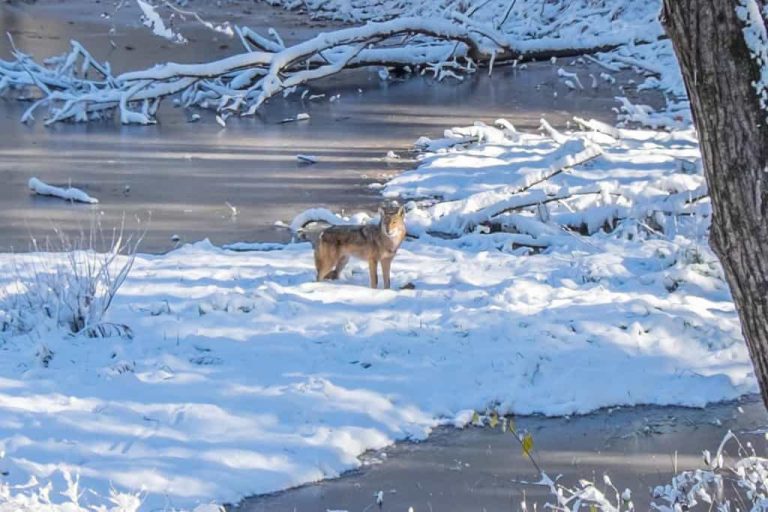
    Coyote

    This picture was taken in the morning on October 31st by Jeff Morse at a small nearby pond at the corner of Vose road and Old Lowell Rd in Westford To learn more about Coyotes in MA, check out Mass Audubon at https://www.massaudubon.org/learn/nature-wildlife/mammals/coyotes

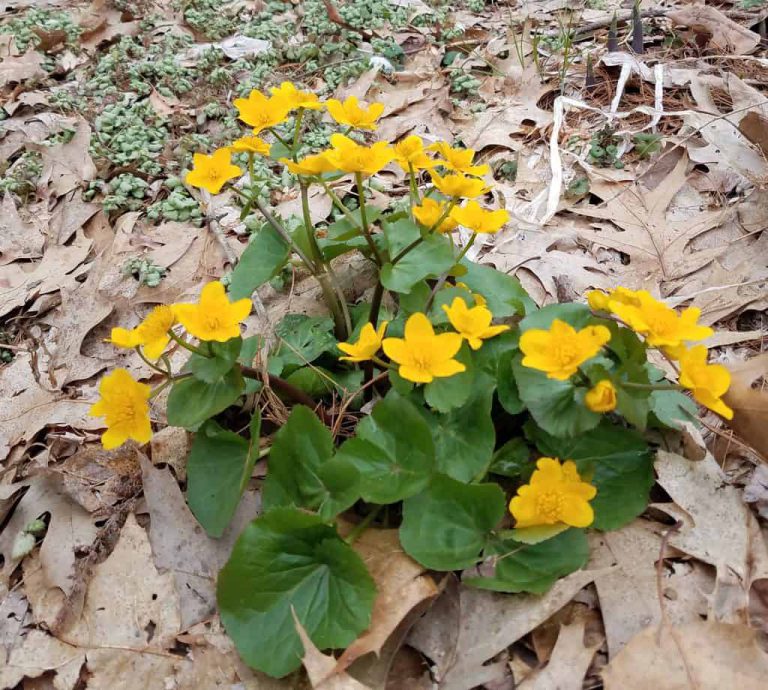
  • Marsh Marigold

    Marsh Marigold (Caltha palustris) seen next to Vine Brook April 21, 2020, South Westford – photo courtesy of Ron Gemma NATURE NOTES* By ANNIE REID Westborough Community Land Trust Marsh-marigolds in our streams and swamps The branches are still bare and the day is chilly, but you know it’s spring when you see a bouquet…

  • Eastern Milk Snake

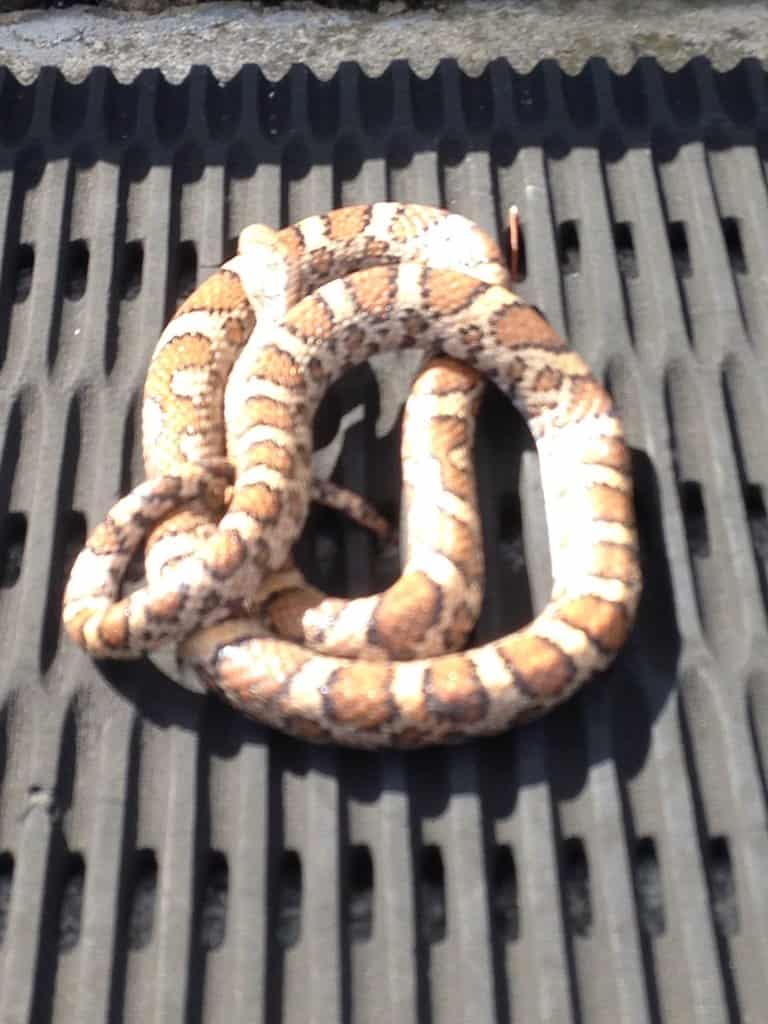
    Eastern Milk Snake (Lampropeltis triangulum) The Eastern Milk Snake has a mottled grey, brown, and reddish body. This non-venomous snake is often confused for a rattlesnake, but it lacks the rattle, keeled scales, and cat-like pupils. It is found in fields, woodlands, rocky hillsides, and wetland edges and primarily eats small mammals (from Mass Audubon…

  • Vernal Pool Critters

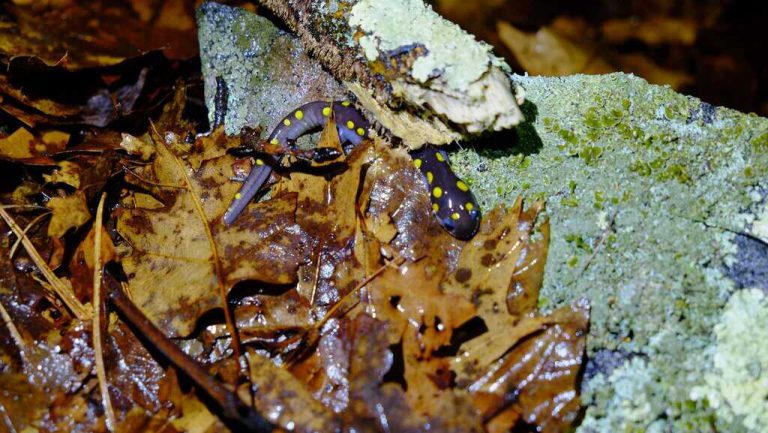
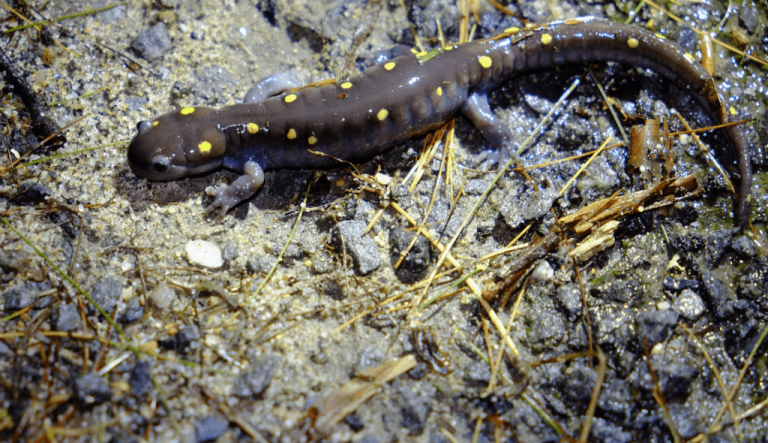
    Late winter/early spring is the time to look out for activity near your local vernal pool on the first rainy, warm nights of spring.   Here are some photos from areas near a few Westford vernal pools from Saturday, MARCH 12th Any day now, when we get a big soaking rain with a nighttime temperature…