
Similar Posts
Wildlife Watch, September 2016 by Marian Harman
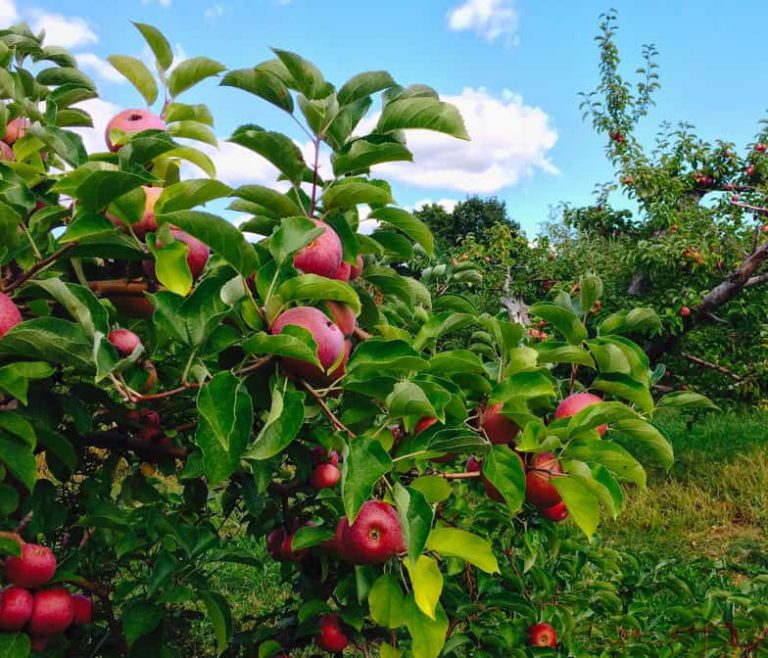
Marian’s Wildlife Watch Blog Farmland is disappearing in Massachusetts. In response to open space loss, about ten years ago, the Mass Executive Office of Energy and Environmental Affairs, developed a continually updated document titled the Smart Growth Tool Kit. The Tool Kit website states, “We are losing agricultural lands and farming opportunities at an alarming…
Welcome New Trust President Dave Ebitson
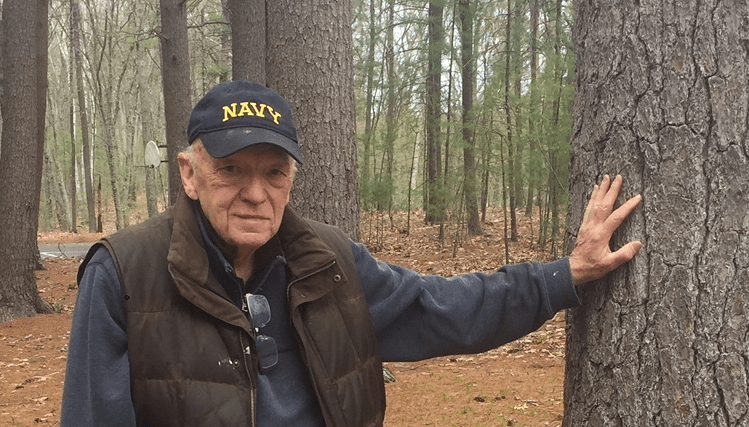
Please join us in welcoming Dave Ebitson as the Trust’s new president. Dave has been active in the Land and Trails committee for the last several years. As a former Corporate Director for Global Product Support, Dave has added additional organizational skills to the Trust. He created a database to track and monitor the condition…
New WCT Website
The site you are seeing here is a brand new WCT website. The new website runs on a content management system that will make it easier and more efficient to publish updated content, event information and newsletter archives. It also features a new database of information about Westford conservation lands, making the new site much…
Wildlife Watch by Marian Harman – August 2022
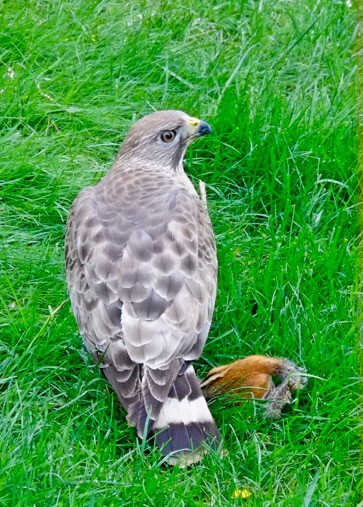
September is an exciting month for birders; its hawk migration time. Broad-winged hawks head south to Central and South America between September 1 and September 30. None of these hawks stay north in the winter. Mid-month sees the majority of broad-wings circling and gliding their way south. Broad-winged hawks migrate over land, avoiding flying over…
Wildlife Watch by Marian Harman – February 2021
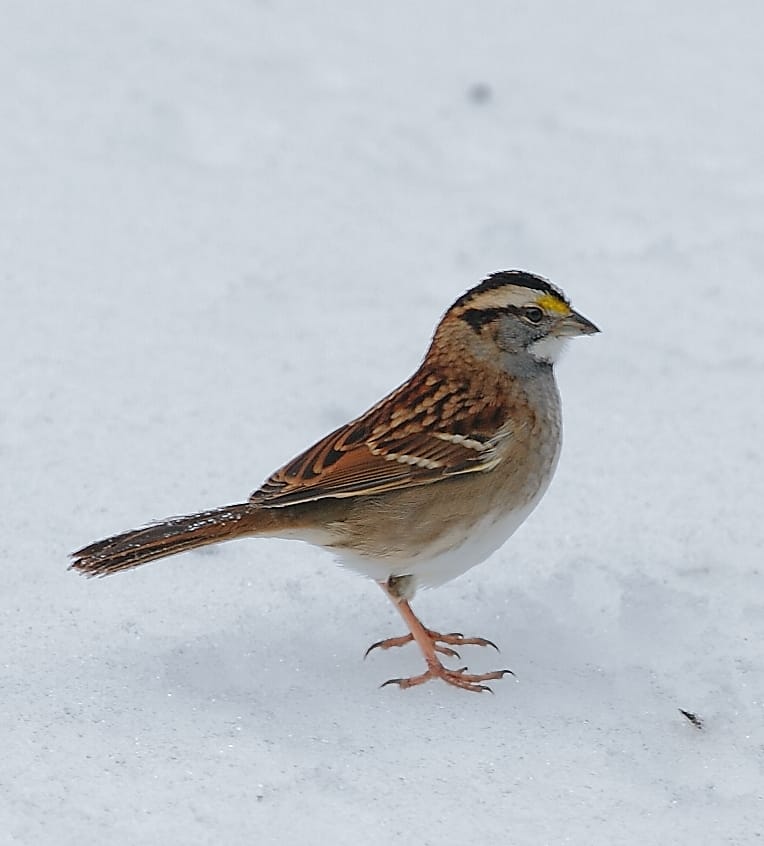
Birders often refer to little brown birds as LBB’s or LBJ’s (“little brown jobs”). They can be extremely confusing to identify, but seeing them at your bird feeder gives you a chance.The LBB’s we most often see at feeders in Westford are the sparrows: Song Sparrows, American Tree Sparrows, and Chipping Sparrows. True sparrows have…
Wildlife Watch by Marian Harman – September 2019
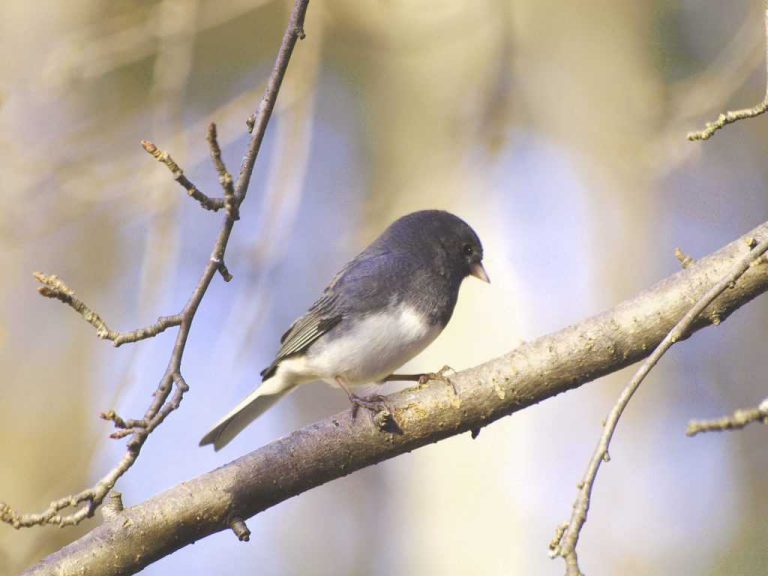
One of the fall events bird lovers look forward to is the return of the dark-eyed juncos to our feeders. Juncos are one of North America’s most common birds. Dark-eyed juncos are black and white or gray and white. Males are darker gray or even black on their head and back, white on their belly,…