Wildlife Watch by Marian Harman – annual review for 2024
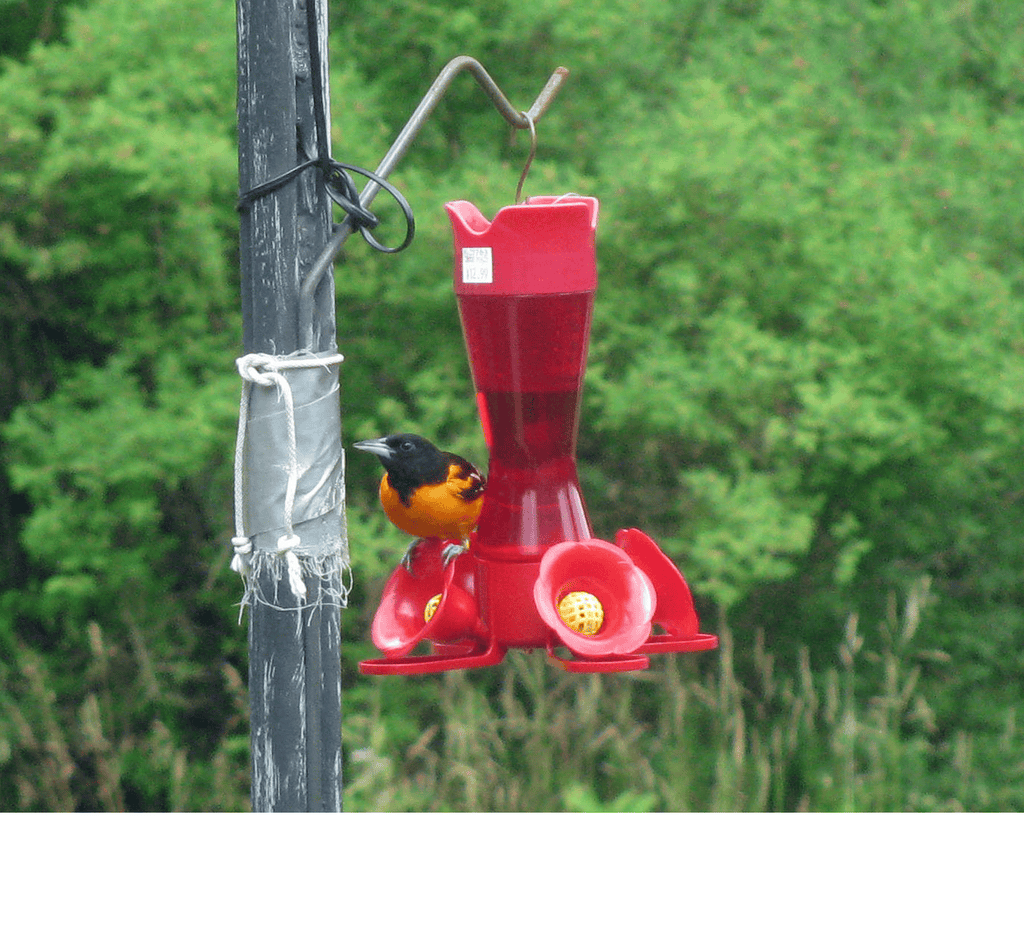
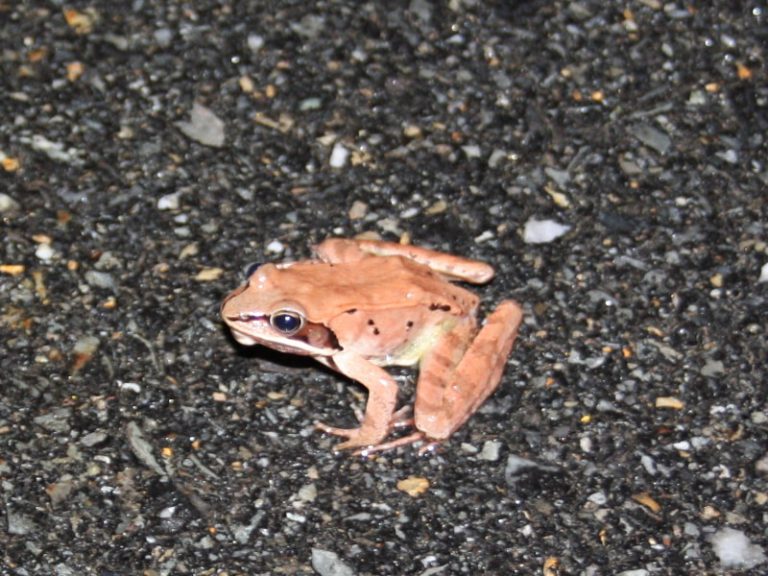
This past year, 2024, was warmer than ever before. This change in climate has affected both flora and fauna, and has us worried for their welfare. January saw several small snowstorms of 5 and 8”, but generally there was little snow. At the end of January the temperature was 50 degrees and cloudy for many days. In February, red-winged blackbirds and grackles returned early in the month. By the end of February, we had a very large rain storm with high winds. On March 2, woodcocks were buzzing on Almeria Drive—a few weeks early for them. “Big Night”, the annual migration of frogs and salamanders occurred the week of March 6. This migration usually occurs at the end of March. On March 26, other migrant birds started to arrive: turkey vultures, mockingbirds and song sparrows. On April 6, the phoebes arrived, and there were wood ducks, mergansers, and ring-necked ducks on Keyes Pond. On April 8, we were treated to a beautiful eclipse of the sun. On the same day, peepers started singing from wetlands. On April 17, warblers, thrushes and house wrens arrived. April 28, the first Baltimore oriole was sighted. This bird usually arrives about May 9. Warmth means black flies, of course, which hatched on April 29. The first ruby-throated hummingbird was also reported that day, at least a week earlier than usual. In early May, rose-breasted grosbeaks, catbirds, vireos, redstart, common yellowthroat, warbling vireo, veery, ovenbird, blue-grey gnatcatcher and scarlet tanager all arrived, and the shadbush was blooming. In June, amongst great clouds of yellow pine pollen, deer flies arrived, a month early. June 17, a multi-day heat wave of 90 + temperatures and high humidity hit us. July was declared the hottest month on record world-wide, and according to NCEI, the National Centers for Environmental Information, July was the 14th consecutive month of record-high global temperatures. August brought the relief of lower humidity, and by Sept. 2, our last hummingbird had left on migration. Fall and winter were quite mild and snow-free.
Several loyal wildlife watchers sent reports in 2024, including Nancy Eberiel, Gerry DiBello, Len Palmer, Diane and Bill Duane, Tom Ennis, Emily Teller, Marcella Pixley, Regina D’Antuono, Marilyn Day, Marian and Bill Harman and Rosemarie Koester. Many thanks for your reports.
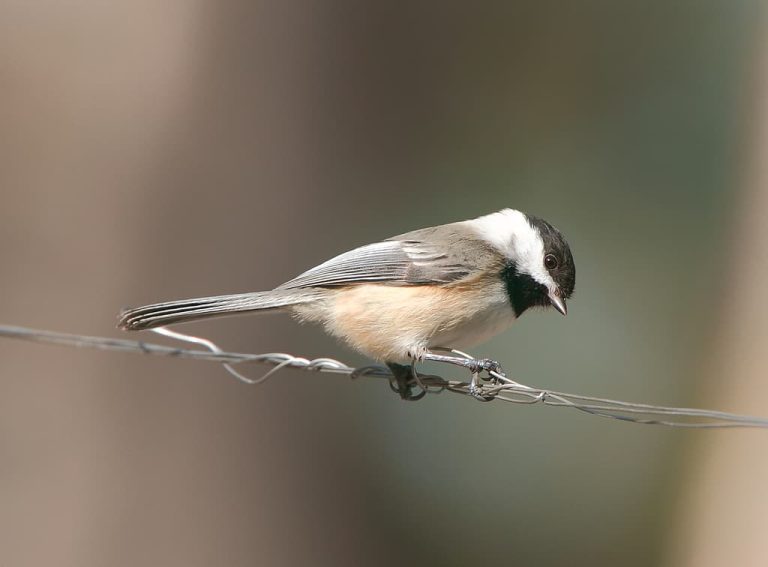
2025 will mark the 35th year of Westford Wildlife Watch. February starts the migrant season again, and we look forward to seeing our arriving friends. Blackbirds will soon be arriving, and resident birds (cardinals, titmice, chickadees) will start to sing their territorial songs. Let’s enjoy the cool, sunny, and bug-free weather while we can. I urge all readers to report your wildlife and plant sightings. You can send your flora and fauna reports to me at mariancharman@gmail.com.
Marian Harman is a member of the Westford Conservation Trust, Inc., a non-profit conservation organization. The Trust’s purpose is the preservation of Westford’s open spaces and trails. The Trust’s website is westfordconservationtrust.org. Visit us there and on Facebook.