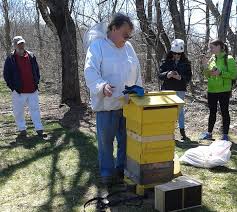
Beekeeper Mel Gadd at Mass Audubon’s Drumlin farm Sanctuary
WCT Annual Meeting – Wednesday, November 13th, 2024 at 7 pm – PCA (Parish Center for the Arts) , Westford Center
Members and friends are invited to join us for our our Annual Trust Meeting. We will have a brief Trust business meeting followed by our guest speaker. Light refreshments will be served. Hope you can join us!
Bees perform approximately 80% of all pollination worldwide and bee colonies have declined precipitously over the last few years. Maintaining a backyard beehive can help increase our local bee population which in turn will foster community pollination and support our local food supplies. This talk will help you learn about the importance of honeybees and other pollinators. Mel Gadd will talk about honeybees and beekeeping, as well as to understand the importance of all pollinators, such as native bees, in our community.
For over 20 years, Mel has been involved with the Essex County Beekeepers Association (ECBA). Mel maintains 27 hives, five at schools where he works with students as the beekeepers, one at a Community Garden in Reading, four hive and 17 hives at Mass Audubon’s Drumlin Farm Wildlife Sanctuary in Lincoln, MA. In addition, Mel mentors a “Therapeutic Beekeeping Program” for veterans who have PTSD at the Bedford VA facility.
Mel has been involved with using non-traditional types of hives (top bar, Warre hives, Slovinian & Valkyrie Horizontal hives) as well as the traditional Langstroth hive. As part of his work at Drumlin Farm, Mel has been conducting experiments with natural approaches to dealing with the problems of the bees and other pollinators. He also runs a Bee School through Mass Audubon teaching people on how to keep bees.
Mel was named the “Beekeeper of the Year” in 2017 by the Massachusetts Beekeepers Association.
Mel will bring some honey for a bit of taste testing!
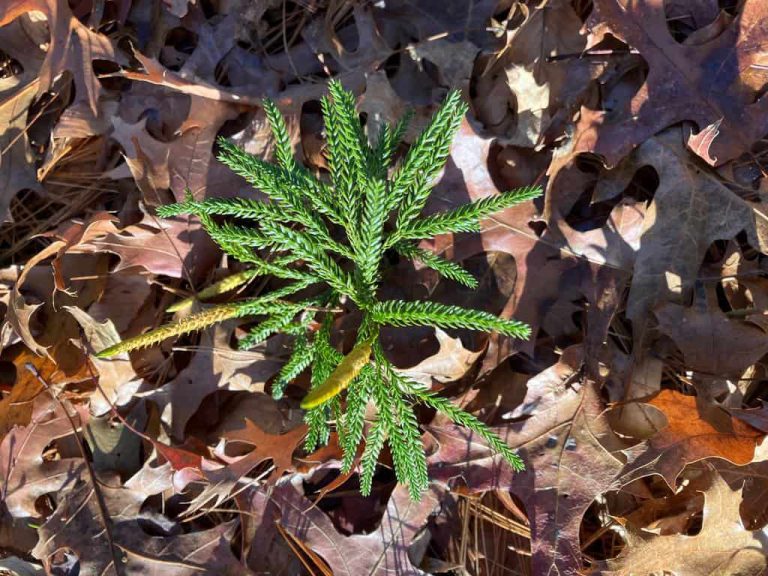
In late fall and early winter, a walk in the woods still reveals some lovely green plants. One of New England’s prettiest evergreens is most noticeable at this time on the forest floor; the tiny tree-like plants called clubmosses. In our area, there are five species of clubmosses: ground pine (also called princess pine), shining…
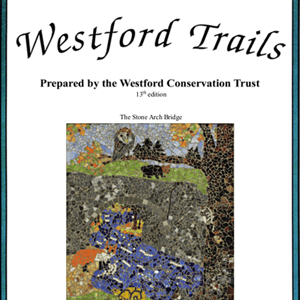
A huge thanks to Trust Director Rich Strazdas for his work editing and publishing the newest Westford trails booklet, our 13th edition! This edition has some great features including local school and student art as well as many new and updated trail maps. On the cover is one of the wonderful mosaics at the Day…
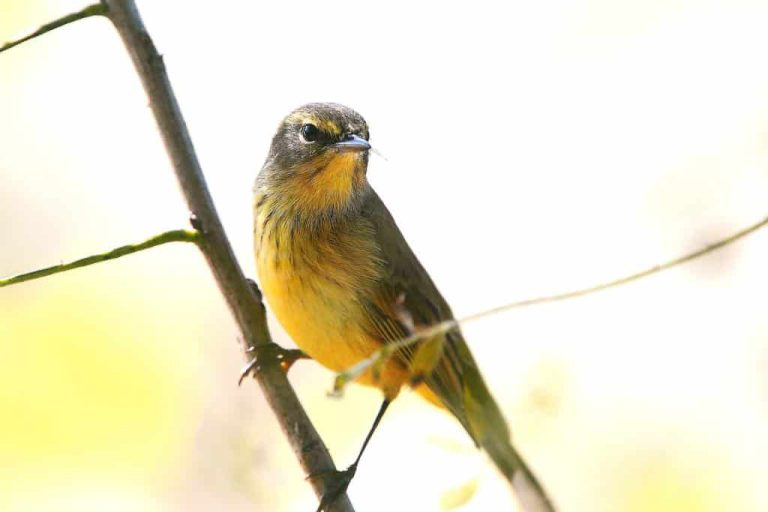
Spring Migration For ardent birdwatchers, nothing can be more exciting than seeing the first spring migrants. First to come in February are the blackbirds, red-winged blackbirds, grackles and cowbirds. Next the phoebes arrive in March, first seen here on March 29. In April we say good-by to the northbound juncos, last seen here on April…
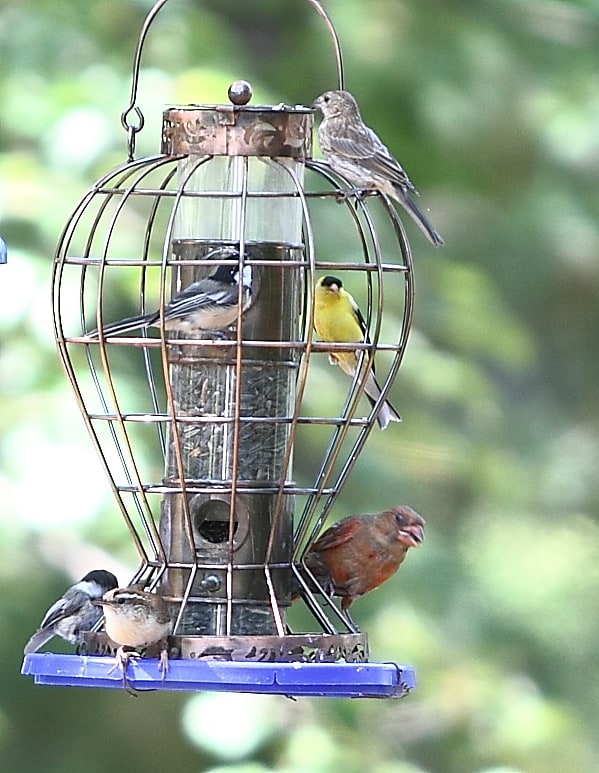
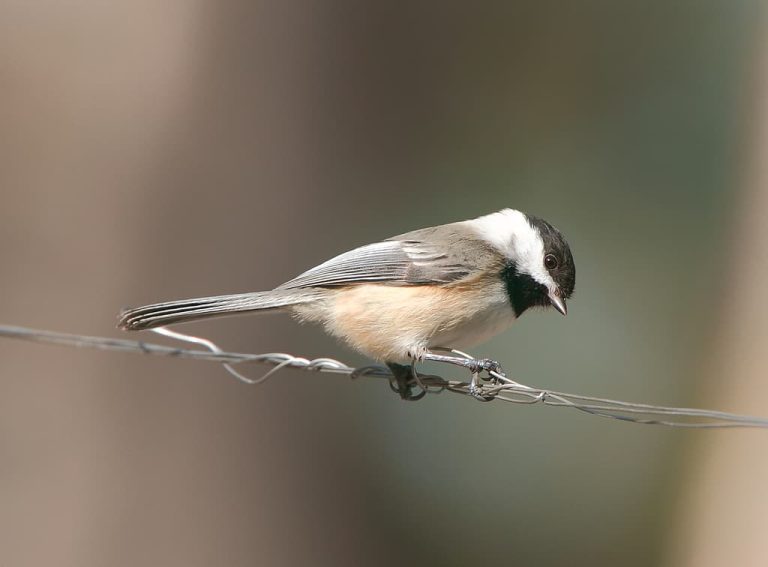
Feeder Watch During a Pandemic: Many people in Westford have bird feeders and avidly watch them throughout the year, especially in this year when we are home more due to the Covid pandemic. Others start feeding birds in November or December when the bears are snoozing in their warm dens. Some of us participate in…
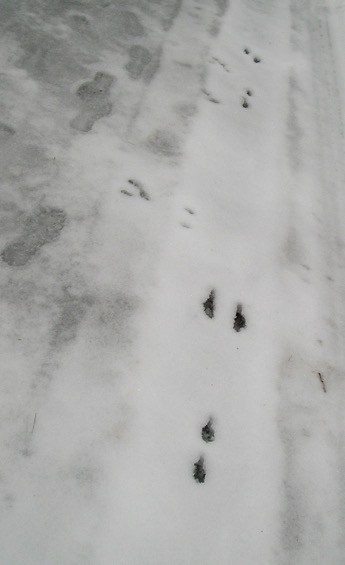
February promises to be a snowy month. We all need activities to help us enjoy the winter. When taking a walk on trails, I like to watch for animal tracks. You can follow the tracks for awhile, on and off the trail, to see what the animal that passed by was doing. Was it tracking…
Happy New Year! At this time of year, I like to review all the flora and fauna reports for the past year. In 2017, we had 32 reporters, who sent in 1294 reports on flora and fauna they had seen. This is a smaller number of reporters than in the past few years, but these…
Welcome to Westford Conservation Trust’s Development and Testing Site
We are testing ideas for a refresh of our website here. If you want to see current news and events, join us as a member, or see other information on our live website, please visit https://westfordconservationtrust.org

 Mel will bring some honey for a bit of taste testing!